

Meet the people fighting to save Kenya’s trees
Kenya’s native trees face a grave threat; 10% are at risk of extinction. Losing even a single tree species can threaten an entire ecosystem. And once a species is extinct, it’s lost forever.
That’s why we’re working with local communities to find, grow and plant these precious trees. Through hands-on training, we’re equipping people to identify and monitor threatened species, grow their seeds in community tree nurseries, plant them in reforestation projects and protect them for the long term.
Meet some of the people (and animals) fighting to save Kenya’s trees.
Seed collectors
To grow trees, we first need to gather their seeds. Seeds are collected from ‘mother trees’, often the largest and oldest trees in the forest. Seed collectors like Simon and Jacinta spend days in the forest, locating mother trees. Once they’ve been found, they’re monitored to track their flowering and fruiting cycles so that seeds can be harvested at just the right time.
“I was trained by ITF on how to identify and source quality seeds,� says Simon Thairu who is based in Dundori Forest. “We are trained to be indigenous seed collectors because we realised that in our forest the number of indigenous trees is decreasing rapidly.
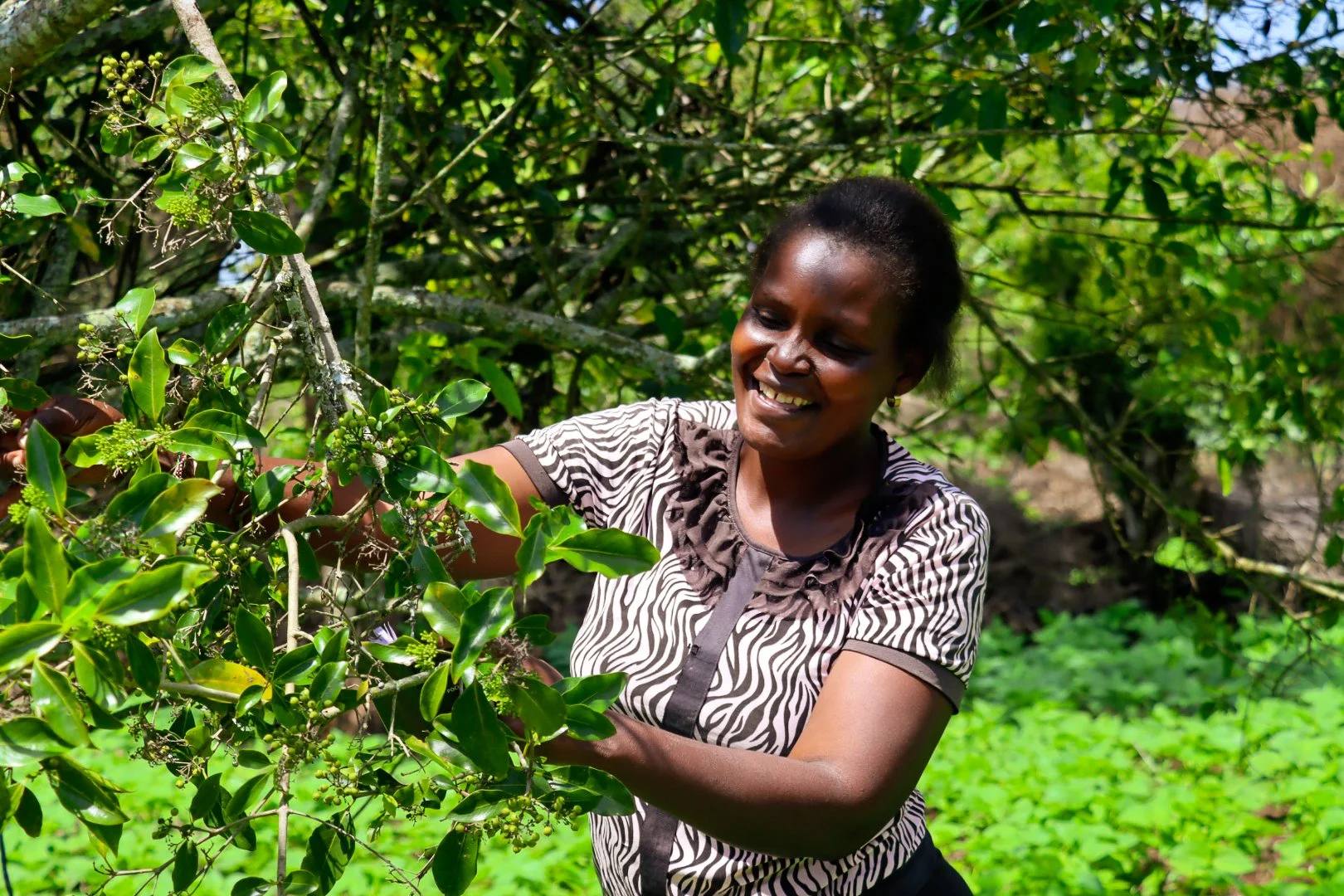
Jacinta Makena harvesting Rytiginia eickii seeds
“Now we have been trained we are able to identify many indigenous tree species. The information helps us collect the seeds. There were so many species that we did not know. But through ITF we have learned the names of different tree species.�
The work doesn’t just help restore the forest, it also brings in an income. “I am a seed collector from Meru Forest Station,� says Jacinta Karoki. “As a seed collector through ITF, I receive a monthly income that enables me to improve my livelihood, including educating my children and meeting my basic needs.
“We are doing well in this work of collecting seeds. We enjoy every aspect of the work to restore our forests, thank you.�
Tree nursery workers
Seeds are brought back to community nurseries where they are germinated and carefully tended to so that they grow strong roots and stems.
Elizabeth Wanjiku works at a tree nursery in Dundori Forest. “The seeds of these trees are sourced by local seed collectors. When I received the seeds as the tree nursery operator, I germinate them and raise the seedlings. We currently have 12 species in our nursery, including Prunus africana, Warburgia ugandensis, Olea africana, Dombeya torrida and Juniperus procera.�
There are many ways to control pests and keep seedlings healthy as they grow. At Kithoka threatened tree nursery in Meru, chameleons have turned up to help. They act as natural pest control by eating insects. When the ITF team visited to check on the project’s progress, they were delighted to see the chameleons, as their presence shows the nursery is healthy and free from disease.
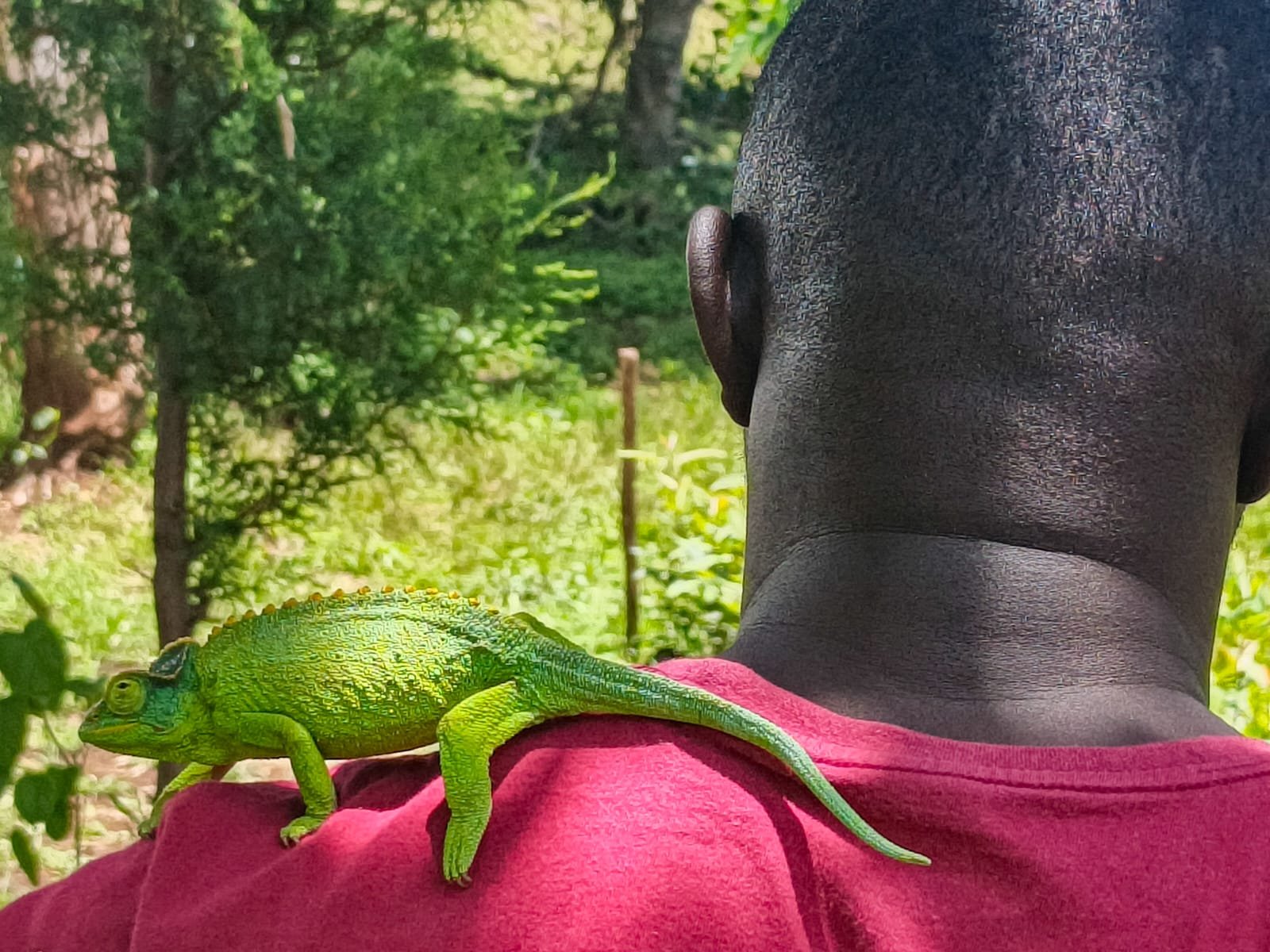
Edwin meets pest control
Ensuring trees thrive
Before trees can be planted in the forest, invasive species like Lantana camara must be cleared. It can be back-breaking physical work which continues long after the trees are planted, to ensure unwanted shrubs don’t outcompete the trees for nutrients. That’s where people like Elijah Nyakundi come in.
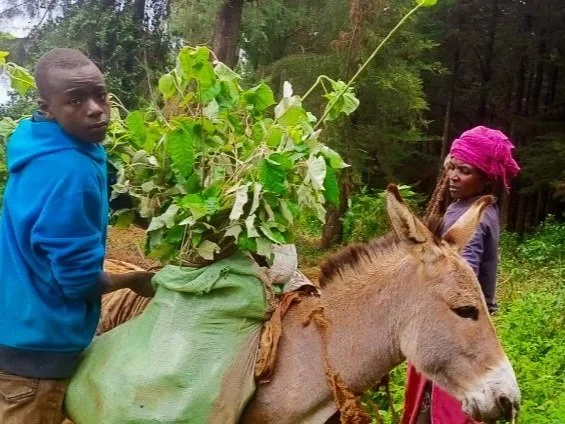
Ruth Kimunto’s donkey transports trees to locations inaccessible to tractors
Elijah is a Forest Scout. “My role as a scout is to take care of newly planted forest sites,� he says. “I've done this job for quite a while. We ensure that the site is protected from threats, especially fires and illegal grazing. We also replace any dead trees in the planted site to enhance forest establishment.
“I have received training on tree maintenance and site management. Through this project we receive a monthly income that enables us to sustain our families.�
Working with communities
Protecting these trees for the long term starts with community engagement and showing the difference a healthy thriving forest makes.
Willy Kipkoech is a Forest Ranger in charge of the Kobujoi Community Forest Station.
“Our partnership with ITF has been very productive,� he says. “Because it has helped us in sourcing suitable endangered tree species for this area that had disappeared as a result of overutilisation by the local community.
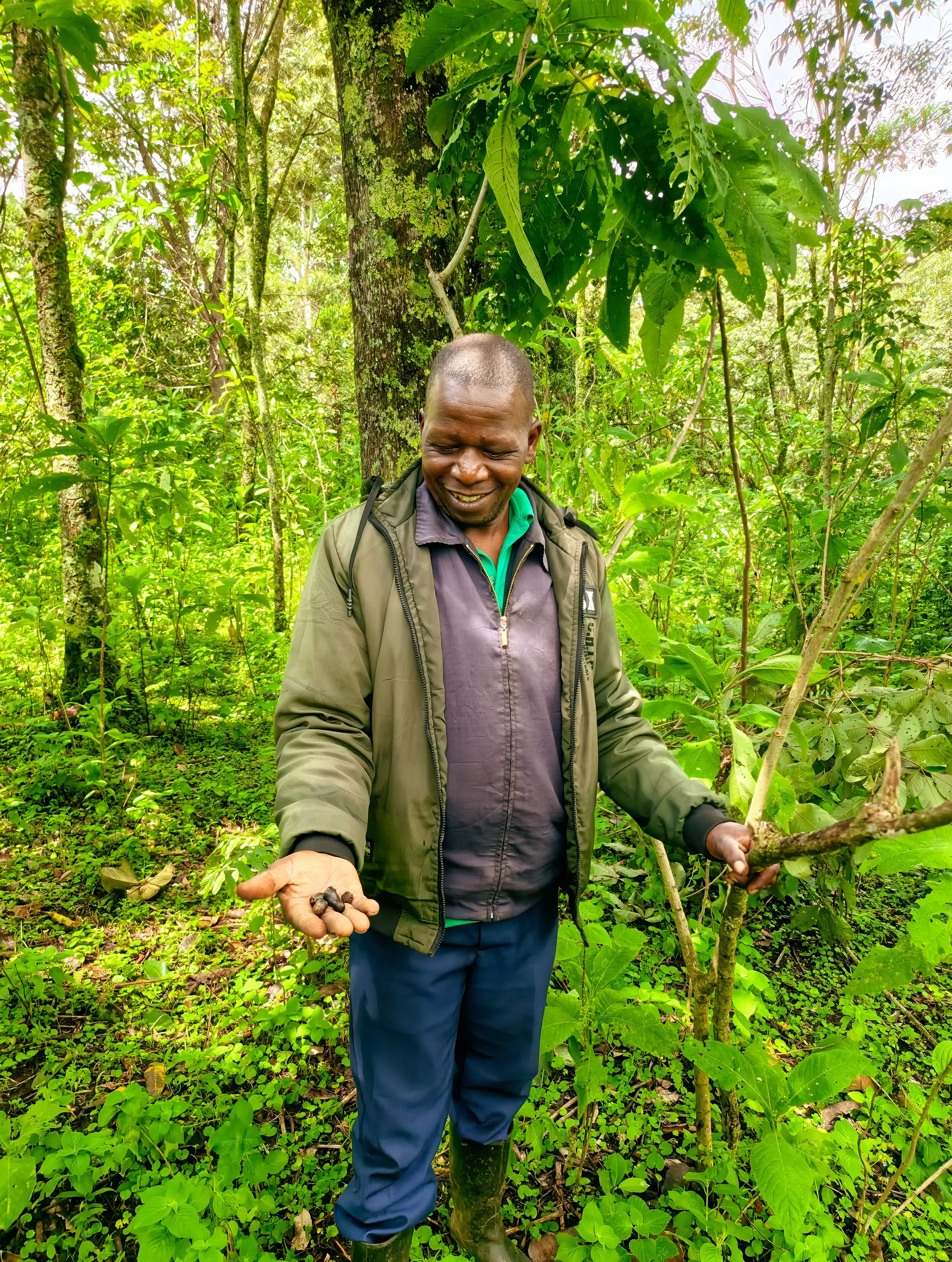
“We also sensitise the community on the importance of this project to their livelihoods and on local weather. I have witnessed, as a Ranger, how the community has embraced the project with a lot of joy and they have realised how important this project is to their lives.
“So for me, the project has led to positive development in this area. I urge for continued support to this project to ensure that the ecosystem is restored to its original state.�
Peninannah Kawira is a farmer who lives next to the forest. She has seen the difference the trees are making, “The rivers in our area now have more water,� she says. “Even the rains have improved. There used to be a longer dry spell, but now rains come early. Because of forest restoration planting threatened tree species.�
As Elijah Nyakundi says, “We now understand how important it is to take care of trees.�
Join the fight
Together we can ensure that none of Kenya’s precious trees go extinct while growing healthy, resilient forests for the next generation. This Earth Day, for one week only, your generous gift will be doubled. Please donate today and join the fight to save Kenya’s trees.